





Cooking oil is a familiar part of everyday meals, but many people may not know how it is made. The journey from a seed to a bottle of edible oil involves several stages, including selecting raw materials, preparing the seeds, extracting the oil and packaging the final product.
Traditional oil extraction refers to methods that draw on long-established practices for obtaining oil from seeds and nuts. These methods continue to interest people who want to learn more about the ingredients they use in their kitchens.
Step 1: Selecting the seeds
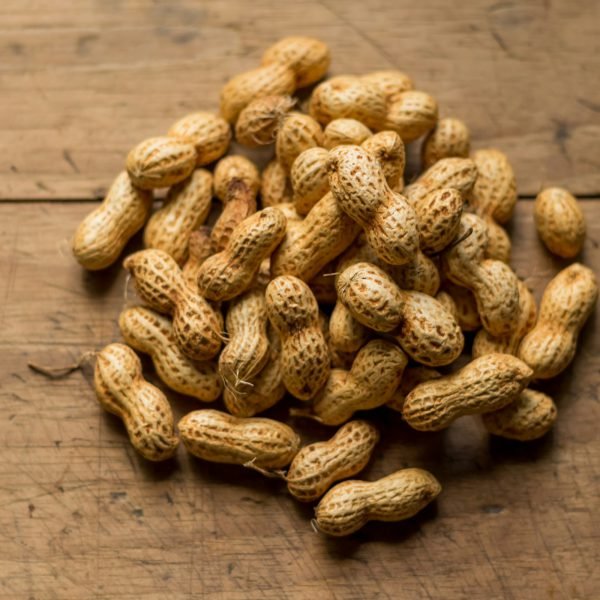
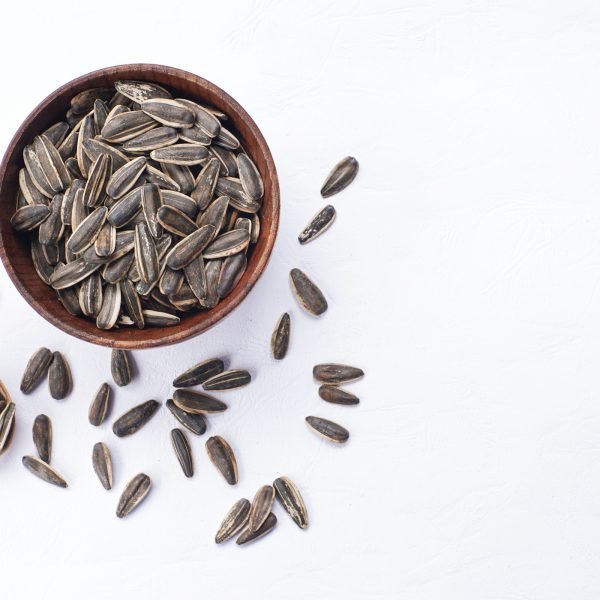
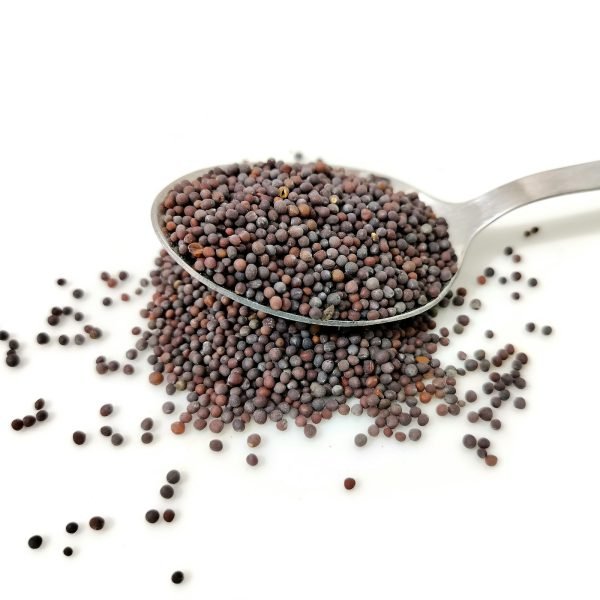
The process begins with the raw material. Different oils come from different seeds or nuts, such as groundnuts, sunflower seeds and black mustard seeds.
Seed quality matters because the raw material contributes to the oil’s flavour, aroma and overall characteristics. Selection may involve checking the seeds and removing unsuitable material before processing.
Step 2: Preparing the seeds
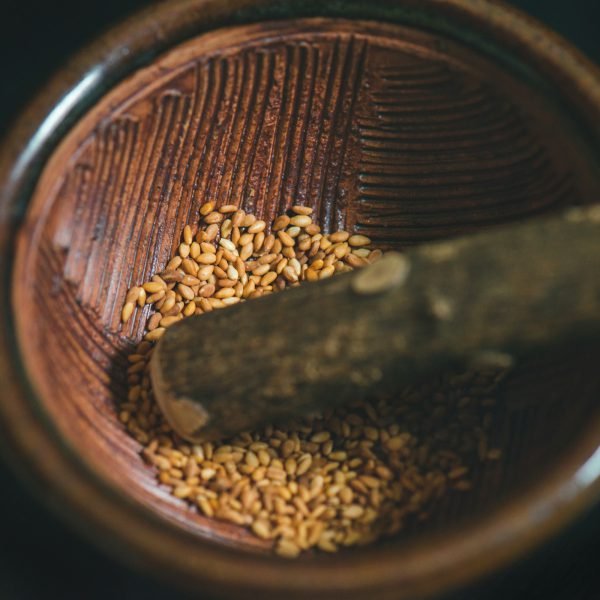
Before extraction, seeds are prepared for processing. Depending on the seed and the method being used, preparation may include cleaning and removing unwanted material.
Step 3: Extracting the oil
Oil can be extracted from seeds using different methods. These may include traditional mechanical methods, such as wooden extraction, as well as other mechanical or industrial processes.
In wooden extraction, seeds are pressed using equipment designed to extract oil through mechanical pressure. The details of the process — including equipment, temperature and handling — can vary between producers.
Step 4: Handling and checking the oil
After extraction, the oil may go through further handling or processing steps before packaging. Quality checks can help assess whether the oil meets the manufacturer’s requirements.
Step 5: Packaging and storage
- Keep the bottle tightly closed.
- Store it away from direct sunlight and excessive heat.
- Use clean, dry utensils when handling the oil.
- Follow the storage instructions on the label.
Traditional extraction and refined oils: what’s the difference?
Traditional extraction usually refers to the method used to press or obtain oil from seeds. Refining refers to additional processing that may be used to modify characteristics such as colour, odour or free fatty acid content.
The terms are not always direct opposites: the extraction method and whether an oil is refined are separate considerations. To understand a specific product, check its label and manufacturer information rather than relying on a general description alone.
How to choose an edible oil
- The source. Identify whether it is groundnut, sunflower, mustard or another oil.
- The processing method. Look for clear information about how it is produced.
- The intended use. Choose an oil suited to the recipe and cooking method.
- The flavour. Consider whether you prefer a mild taste or a more pronounced aroma.
- The label. Review ingredients, storage instructions and other product details.
Understanding traditional oil extraction helps make the journey from farm to kitchen more visible. Seed selection, processing, handling and packaging all play a role in producing edible oil.